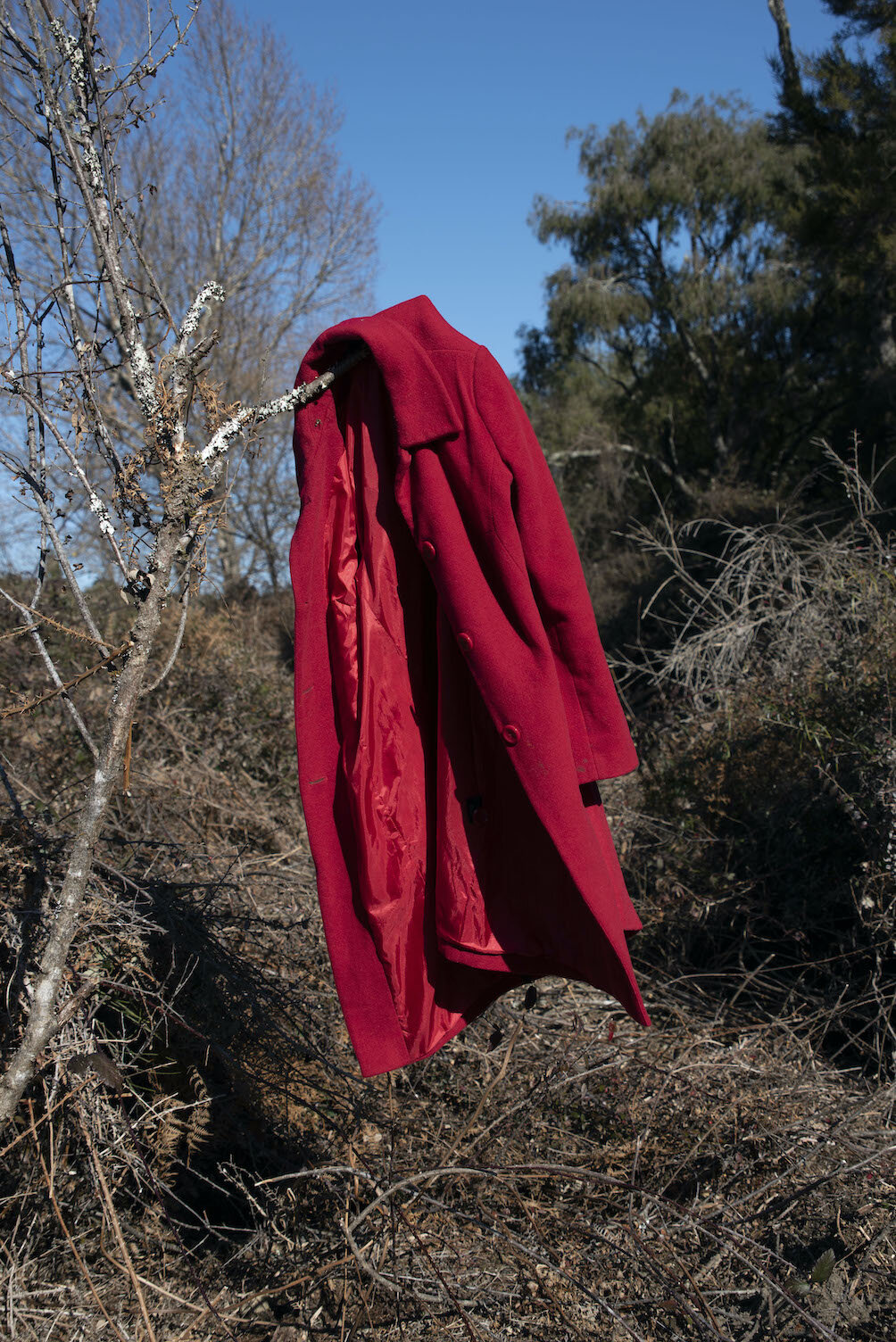
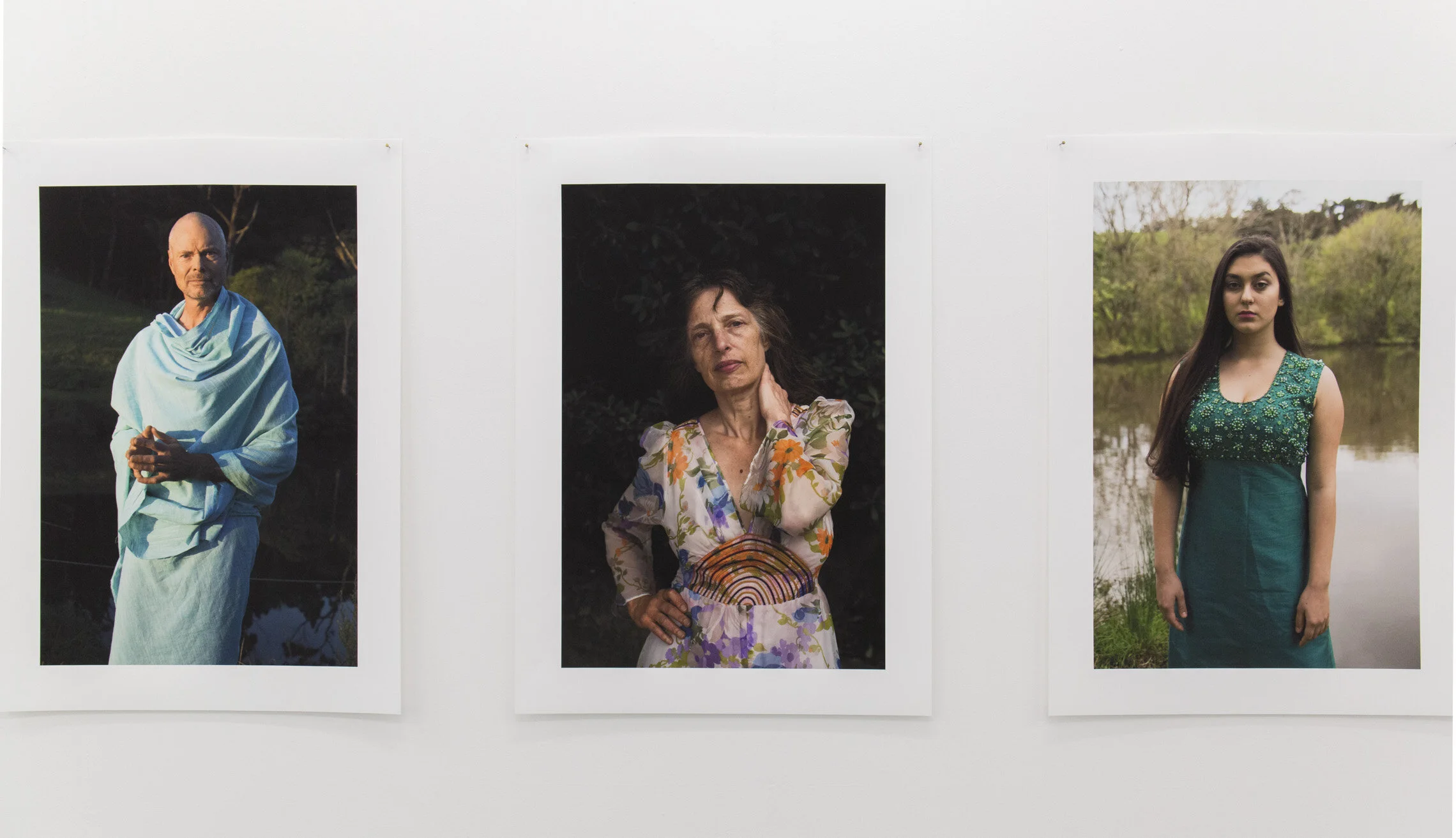
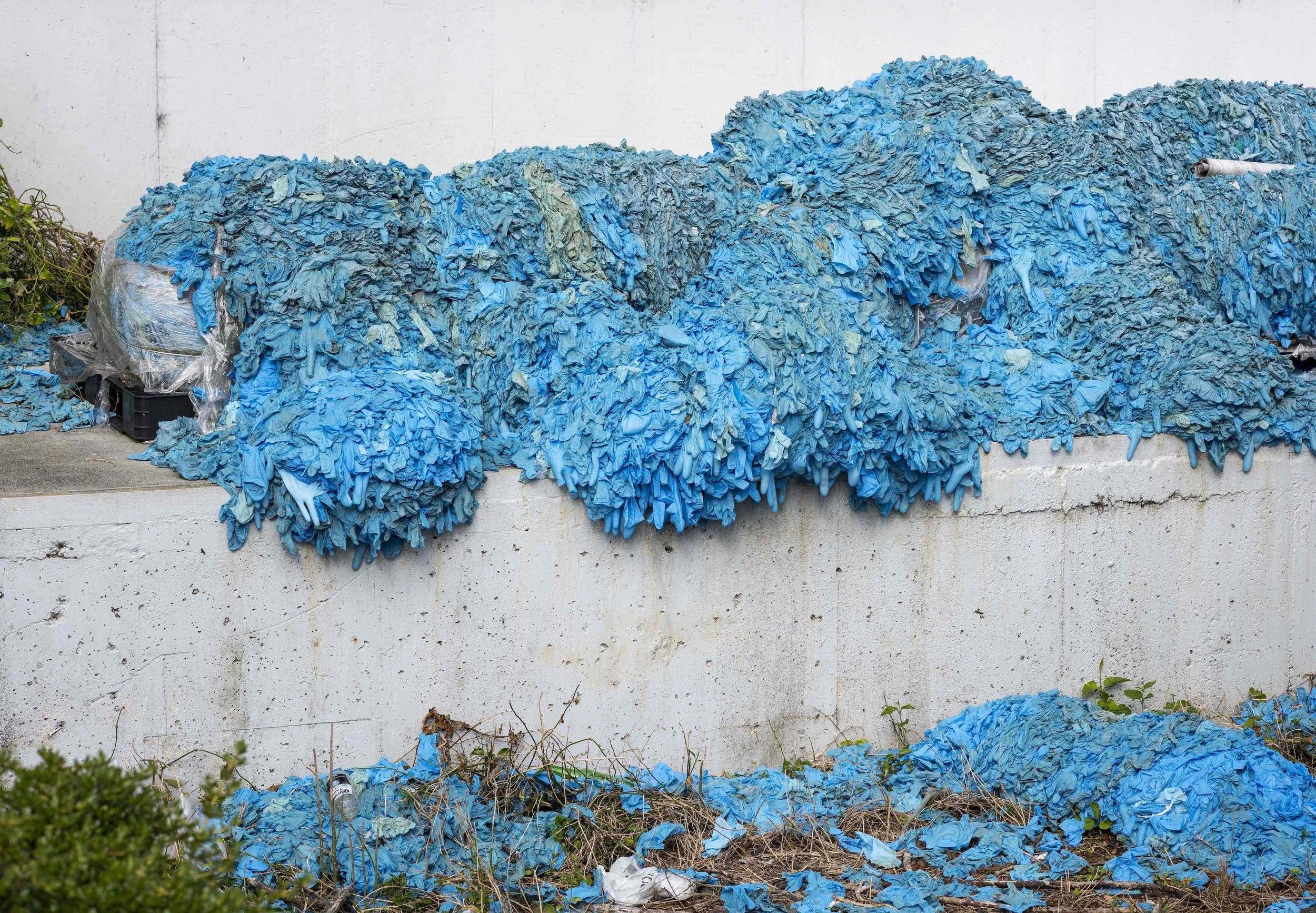
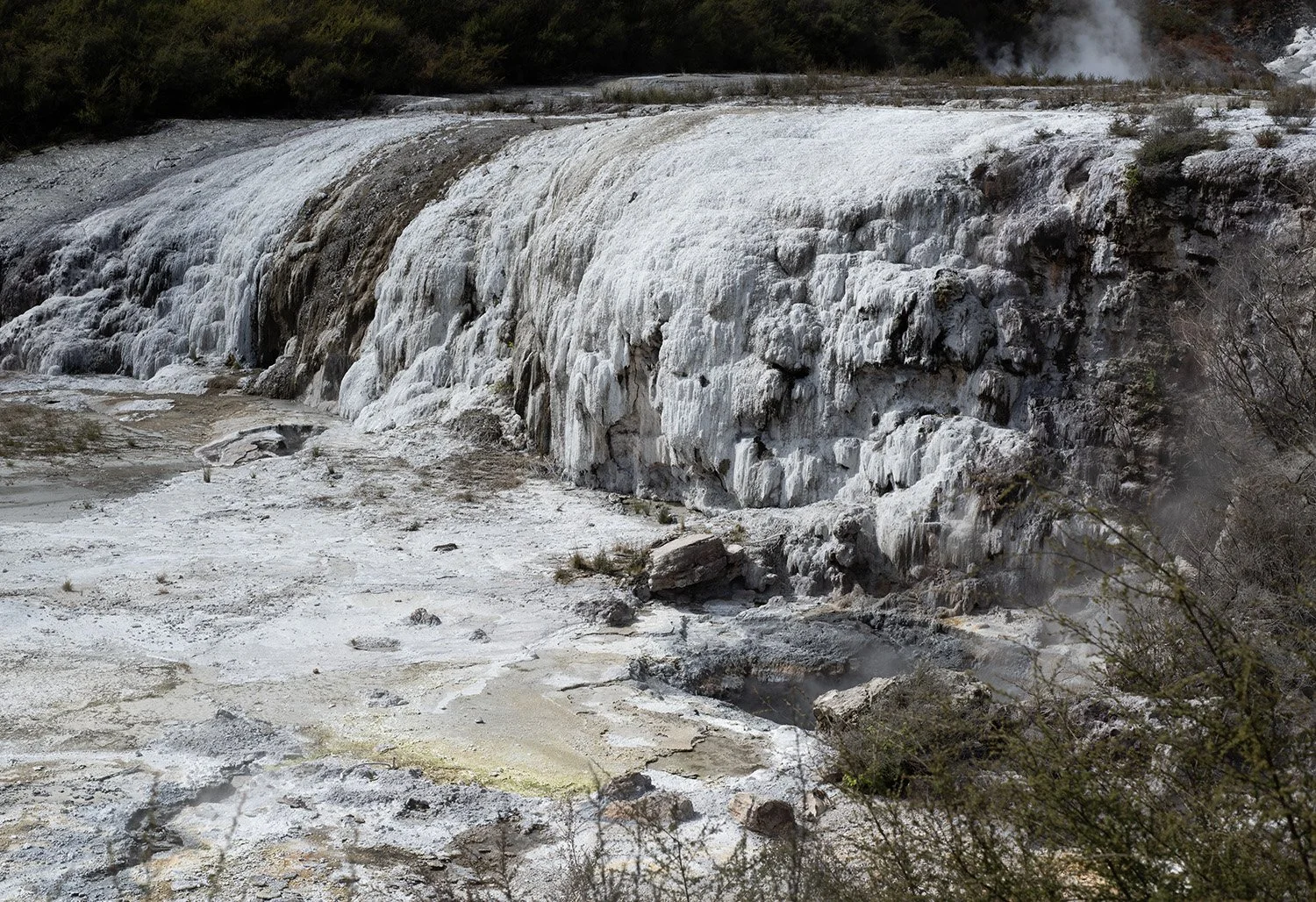
An Intimacy of Long Unfolding was my 2023 doctoral project and includes an exhibition of photographs, some screenprinted poems and a loose-leaf artist’s book.
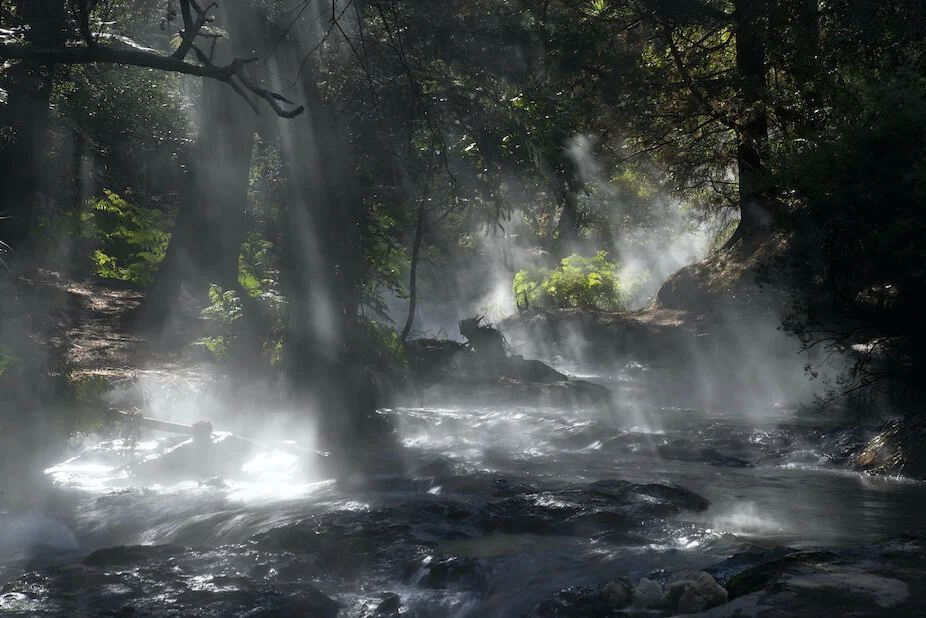
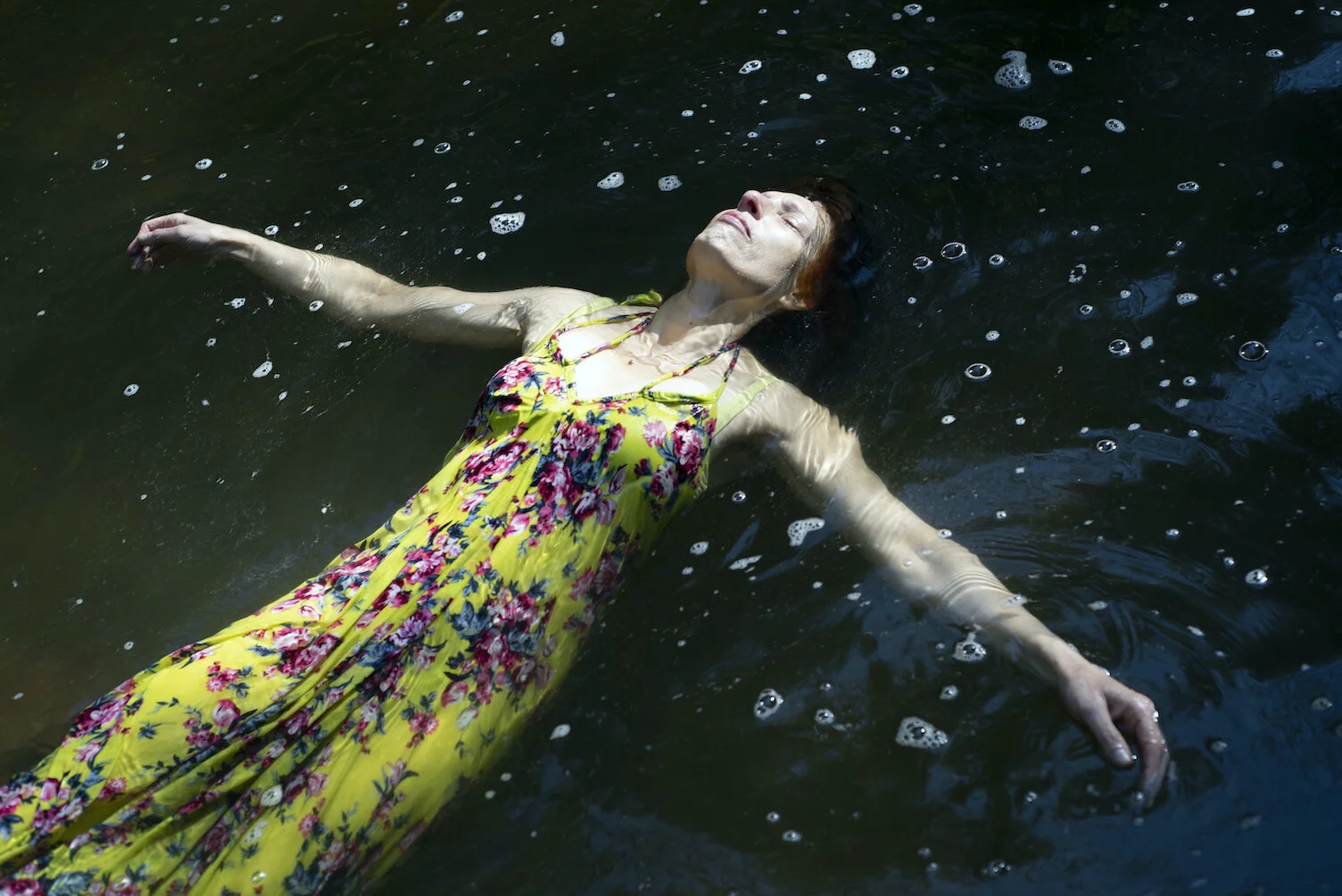
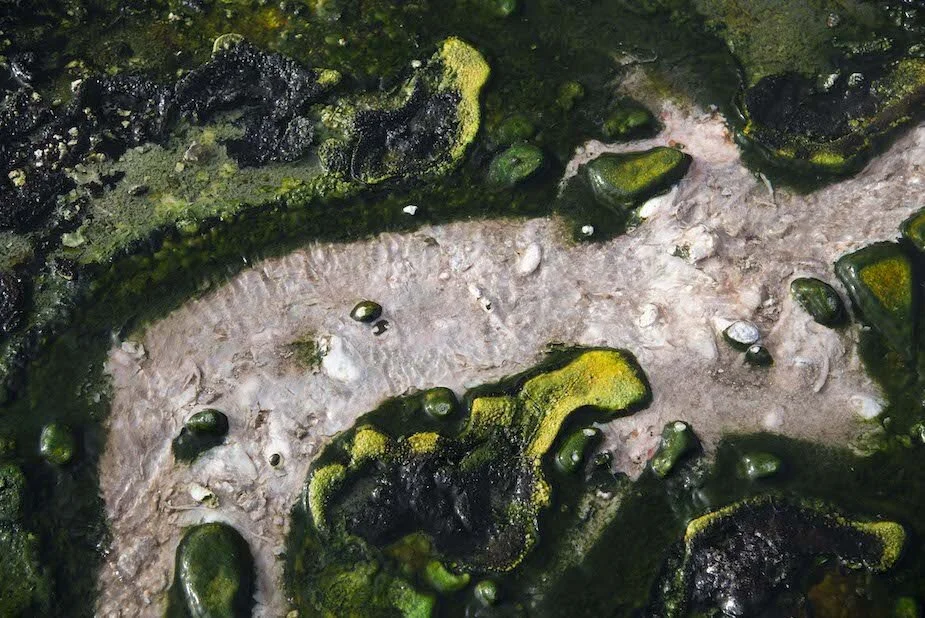
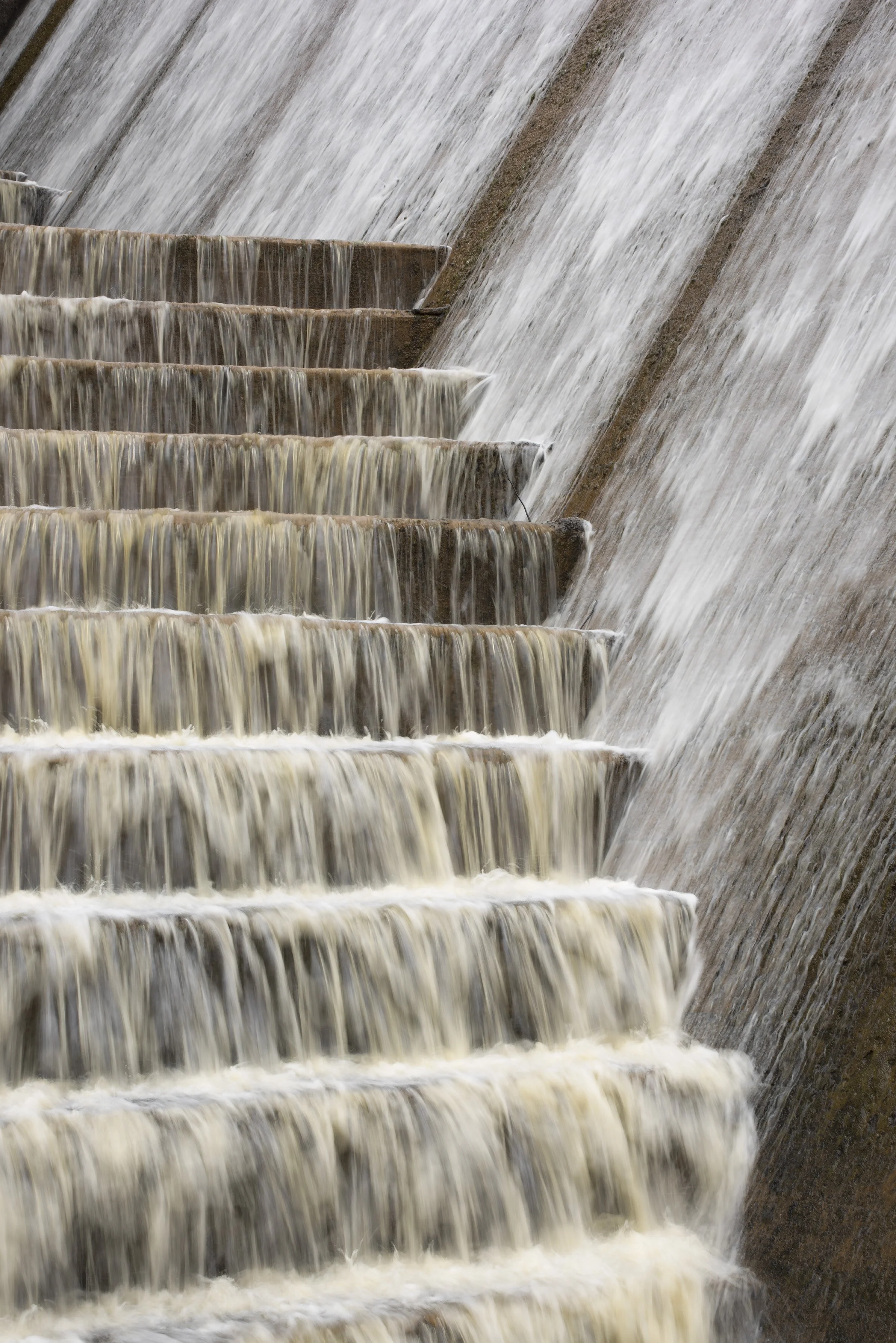
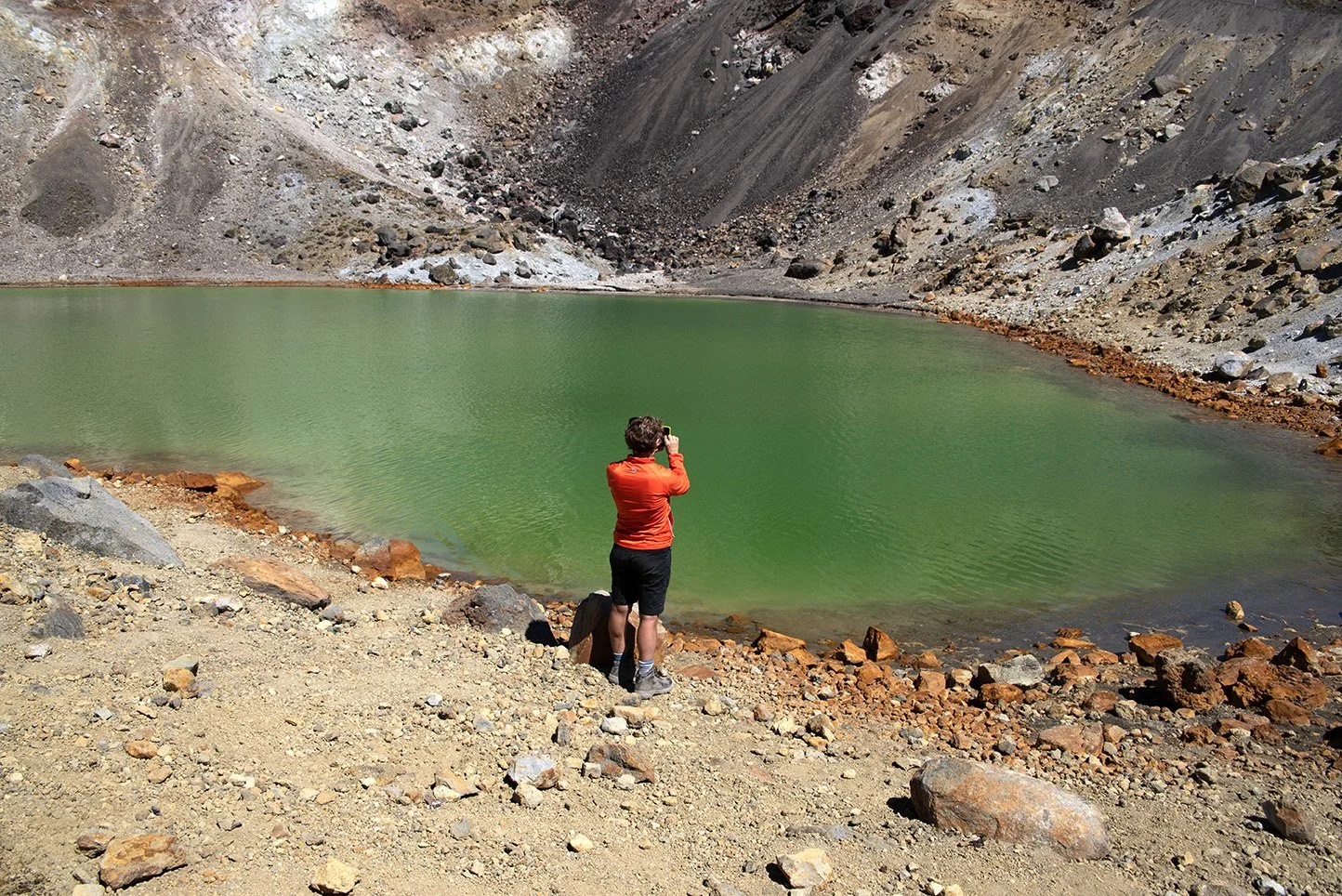
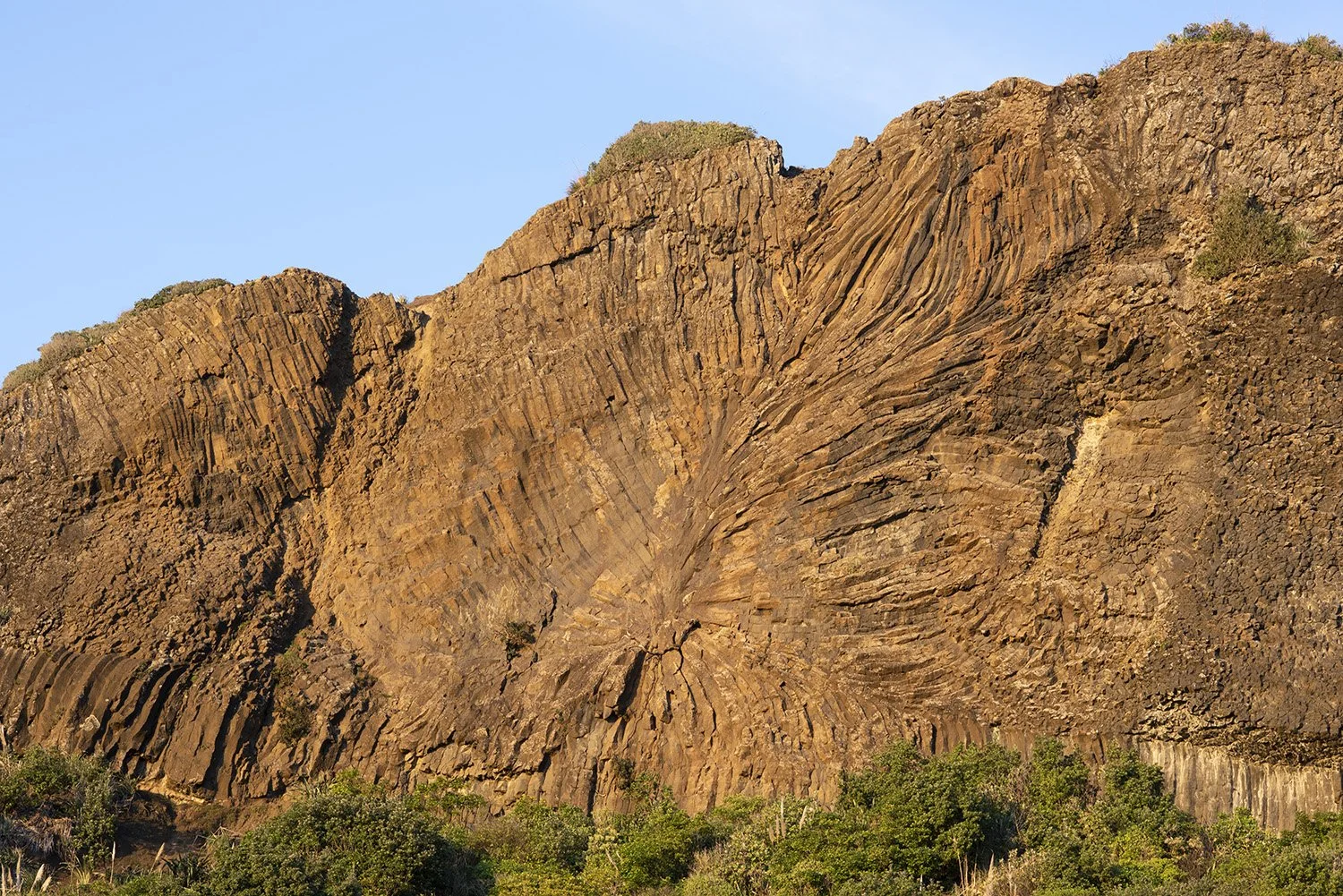
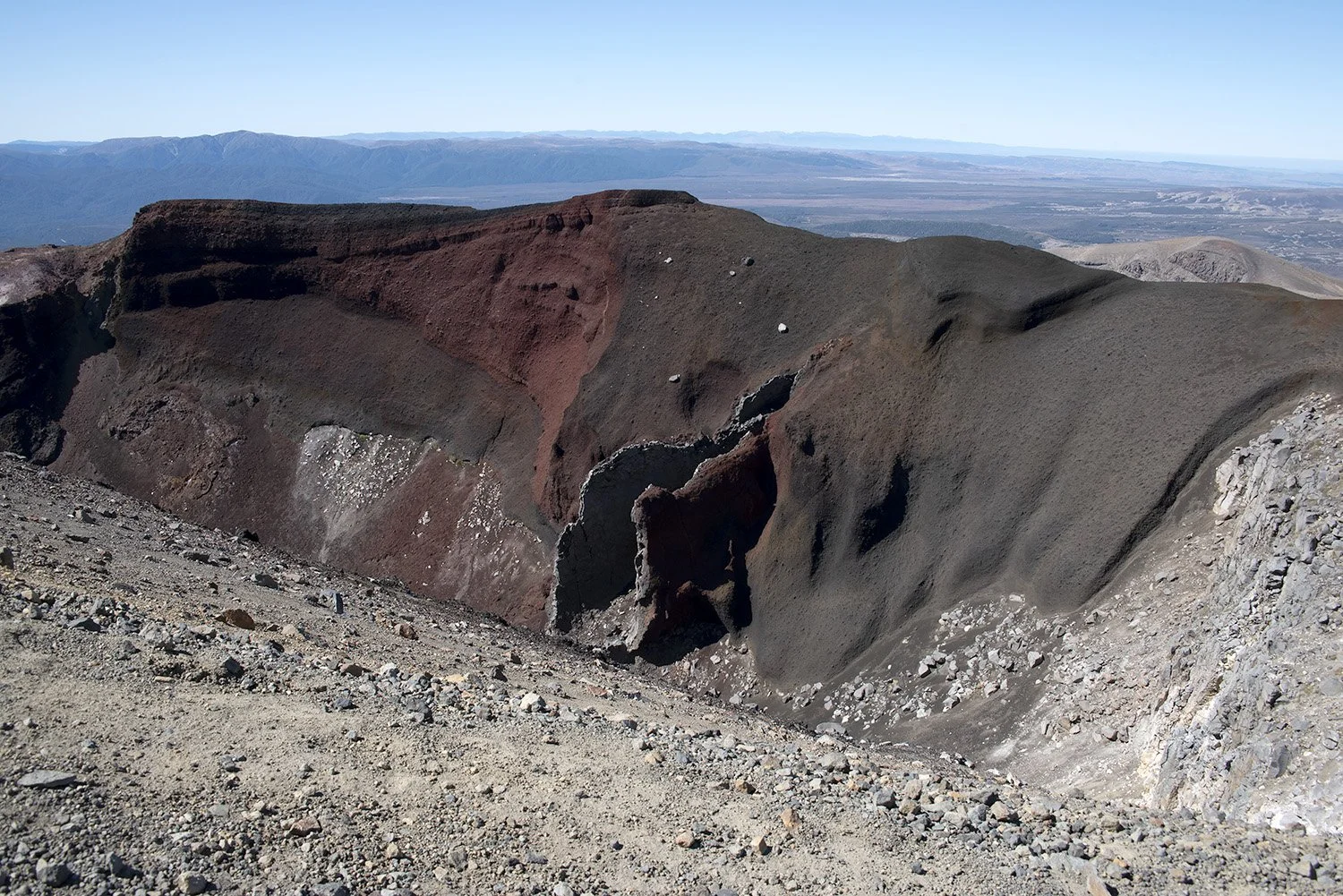
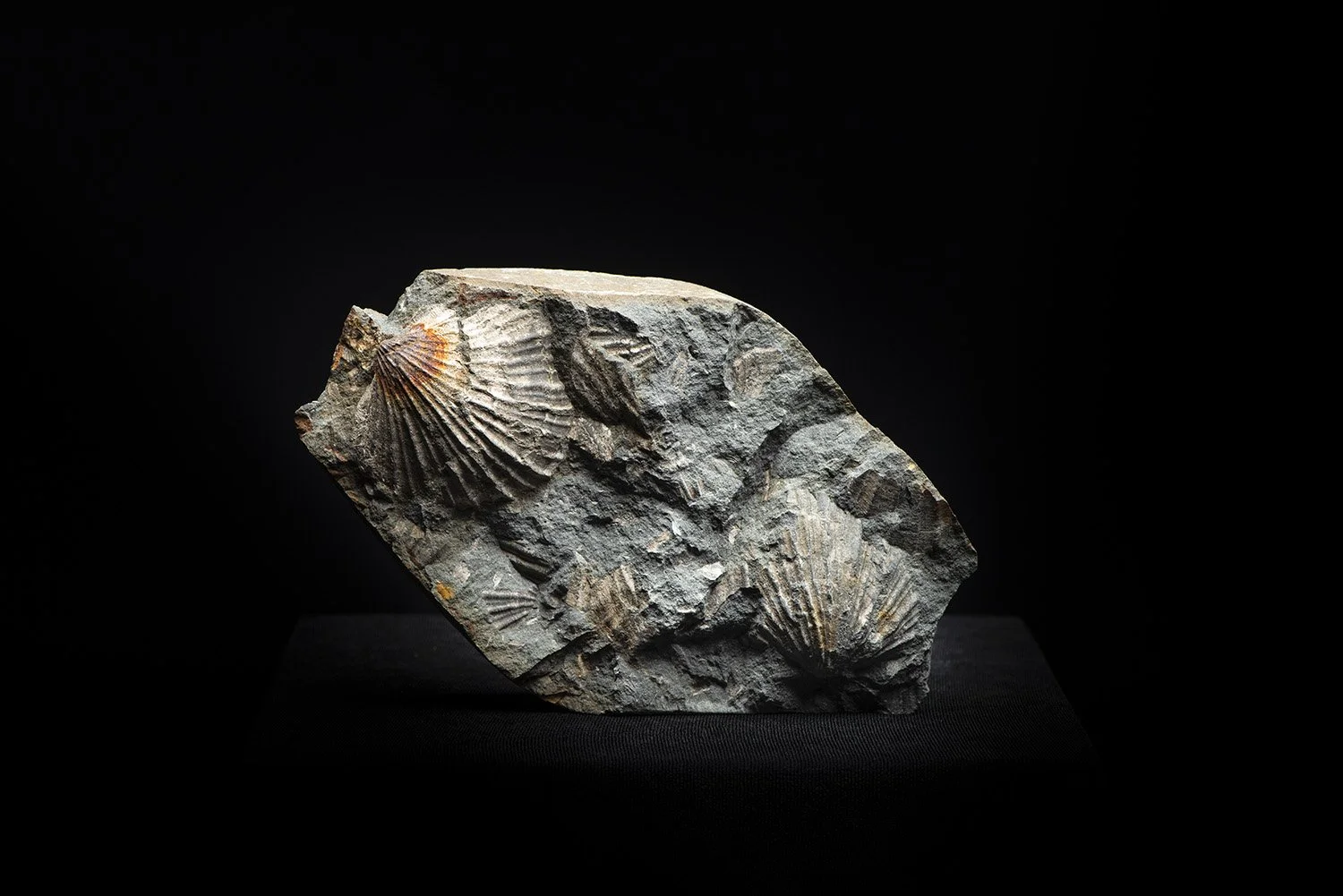
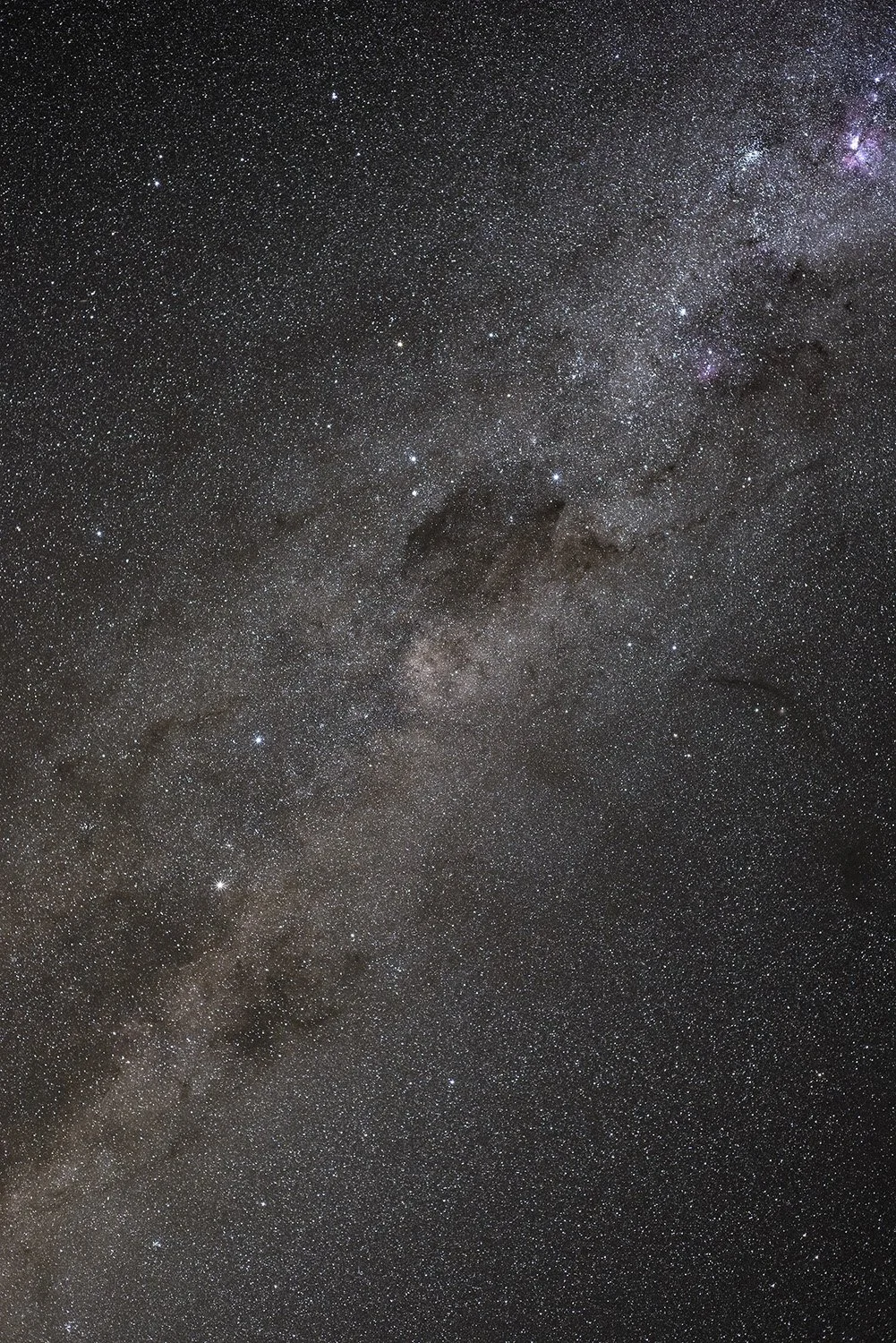
The photographs and book attempt to visualise the concept of deep geological time in the forms of marine and bacterial fossils, ancient geological formations, the Milky Way and geothermal sites in Aotearoa’s Taupō Volcanic Zone, which are associated with the earliest life on Earth.
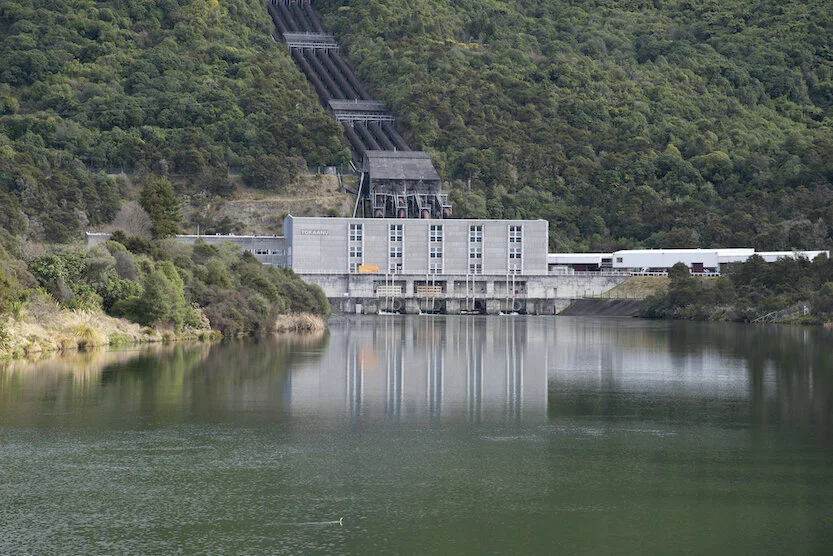
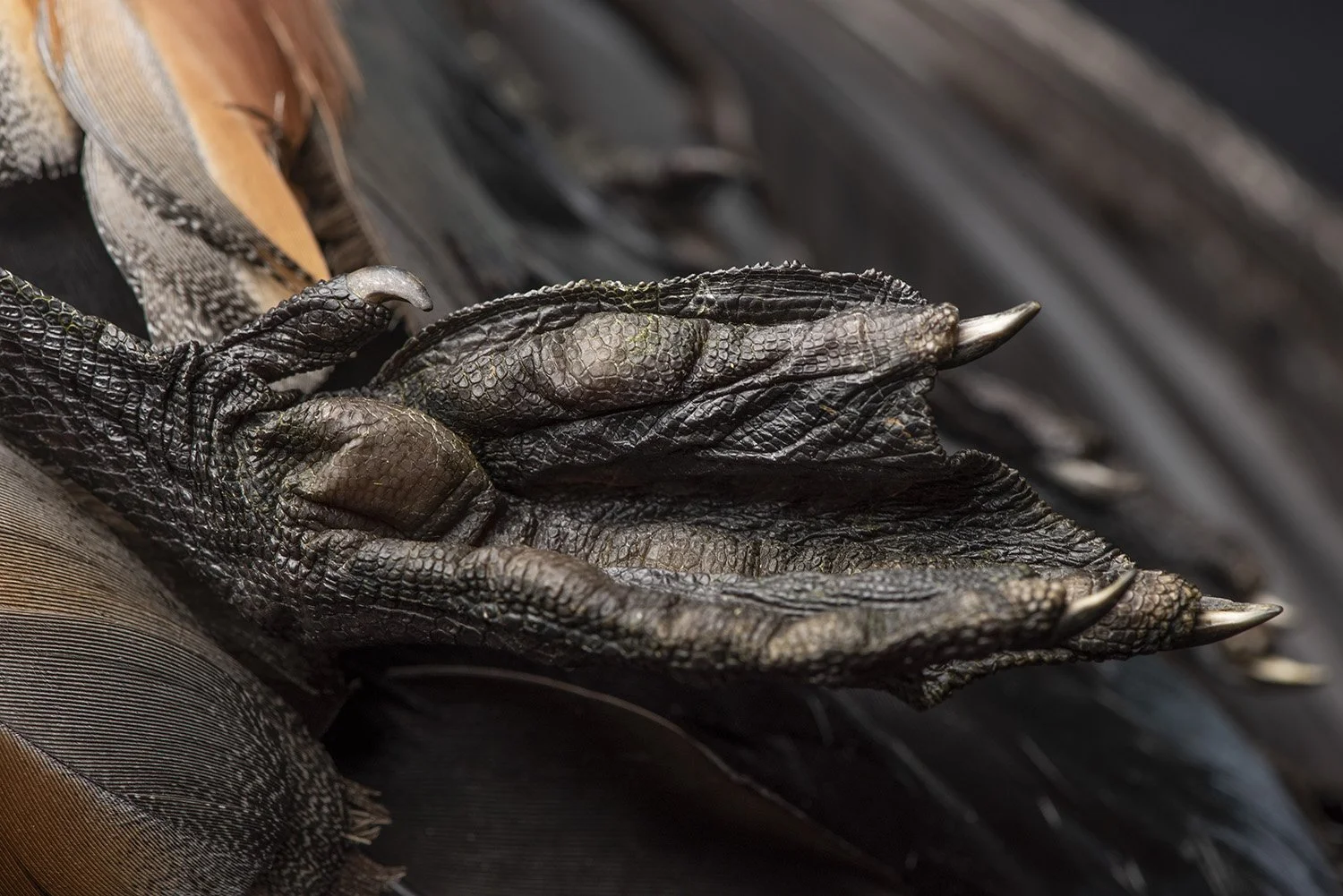
These manifestations of deep time were all photographed in Aotearoa as part of my investigation into whether photography can help us imagine nonhuman time scales. The images exploring the intimate relationship between humans and geology and acknowledging that humans are now a geologic force capable of altering Earth’s systems are combined with my own texts interweaving art, science, history and philosophy with deeply personal reflections. The book and exhibition explore whether photography can work to deepen our relationship with time and counter anthropocentric ways of thinking, which have led to the current climate and environmental crisis, threatening the long-term survival of humans and nonhumans alike.
An escarpment is a long cliff or steep slope separating two comparatively level or more gently sloping surfaces and resulting from erosion or faulting.
During Cyclone Gabrielle in February 2023, the small coastal settlement of Mūriwai, near where I live, was one of the worst-hit districts in Tāmaki Makaurau Auckland. Widespread, catastrophic flooding caused major landslides on the eighty-metre-high escarpment to the east of the township, and two volunteer firefighters lost their lives.
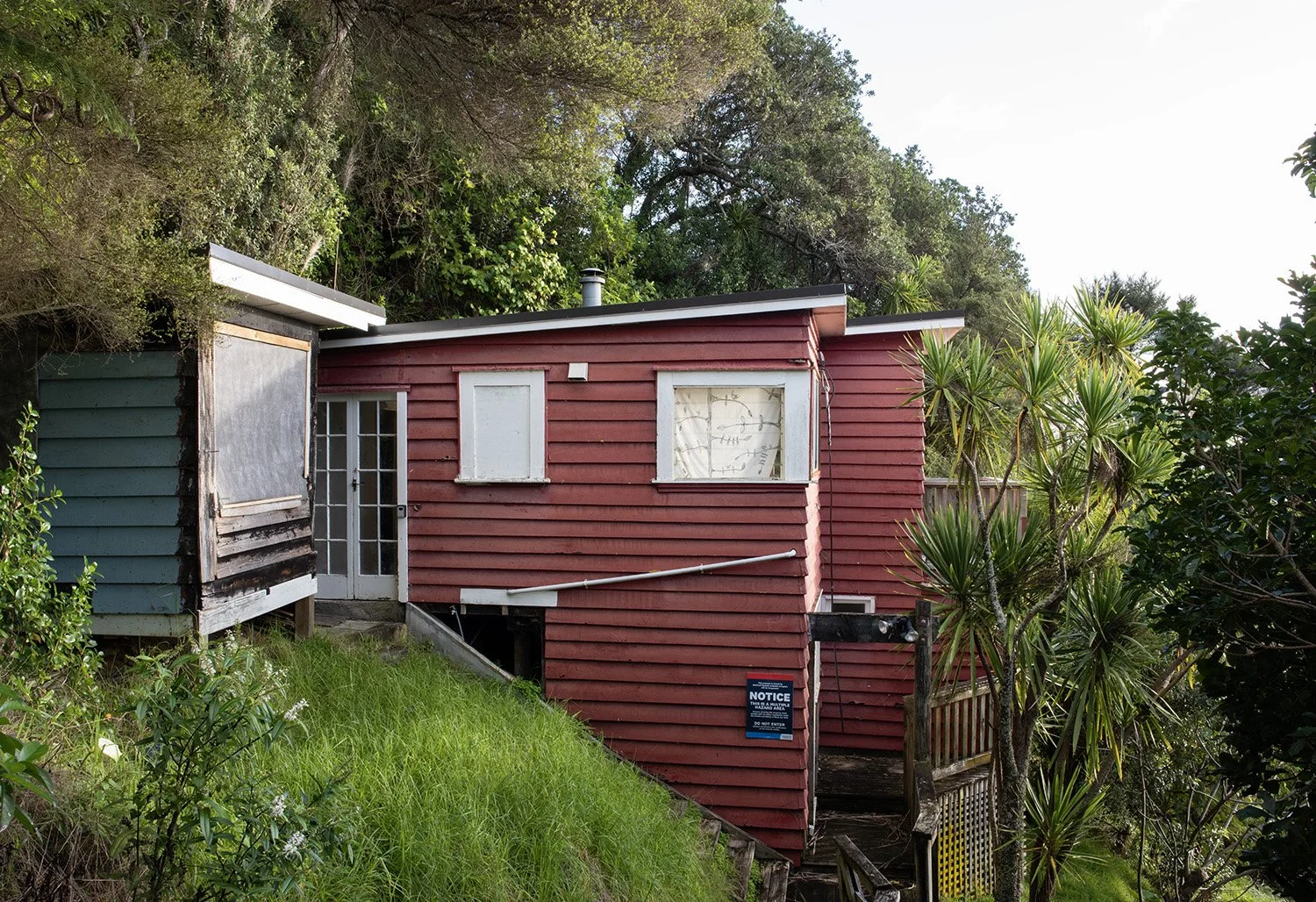
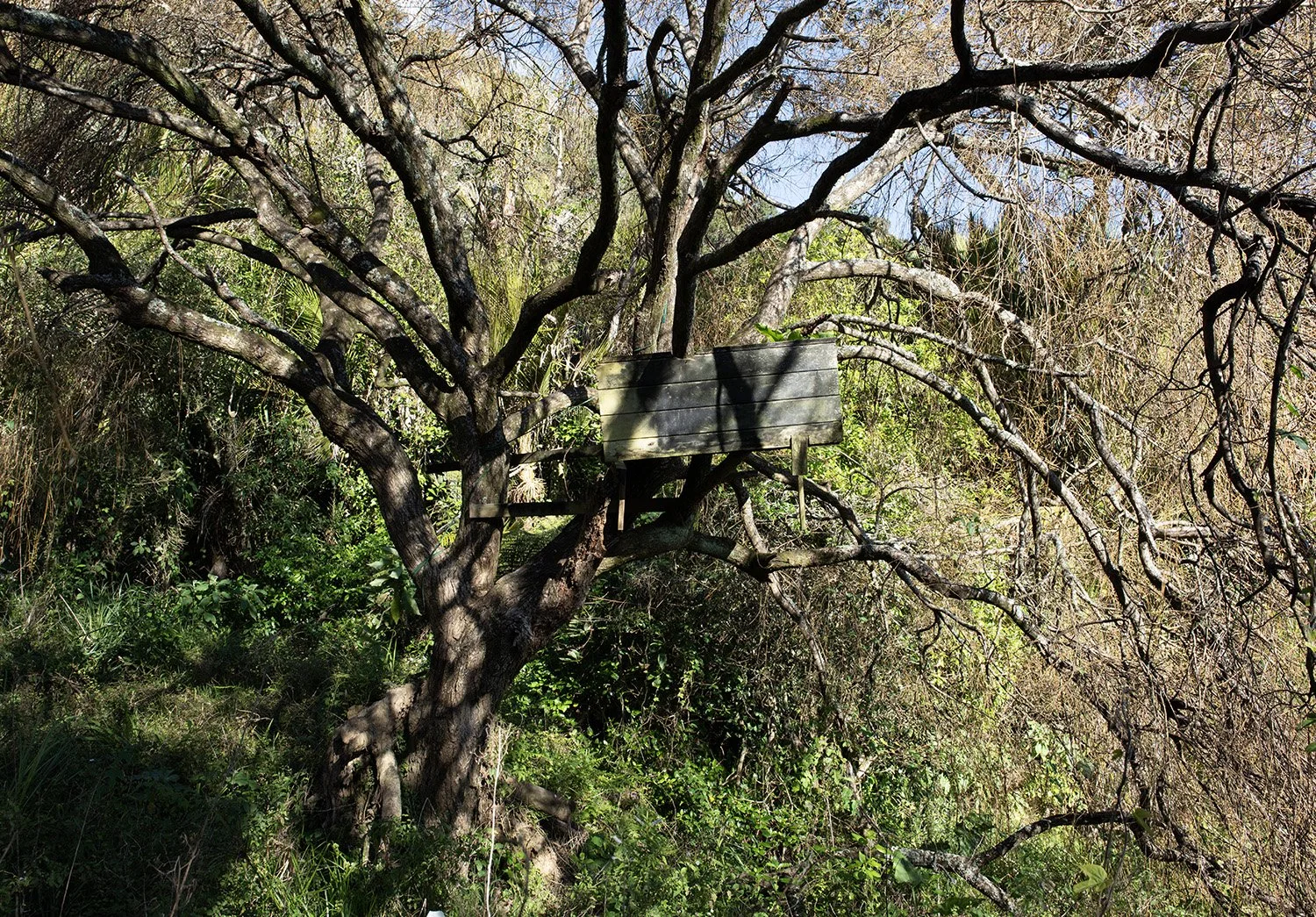
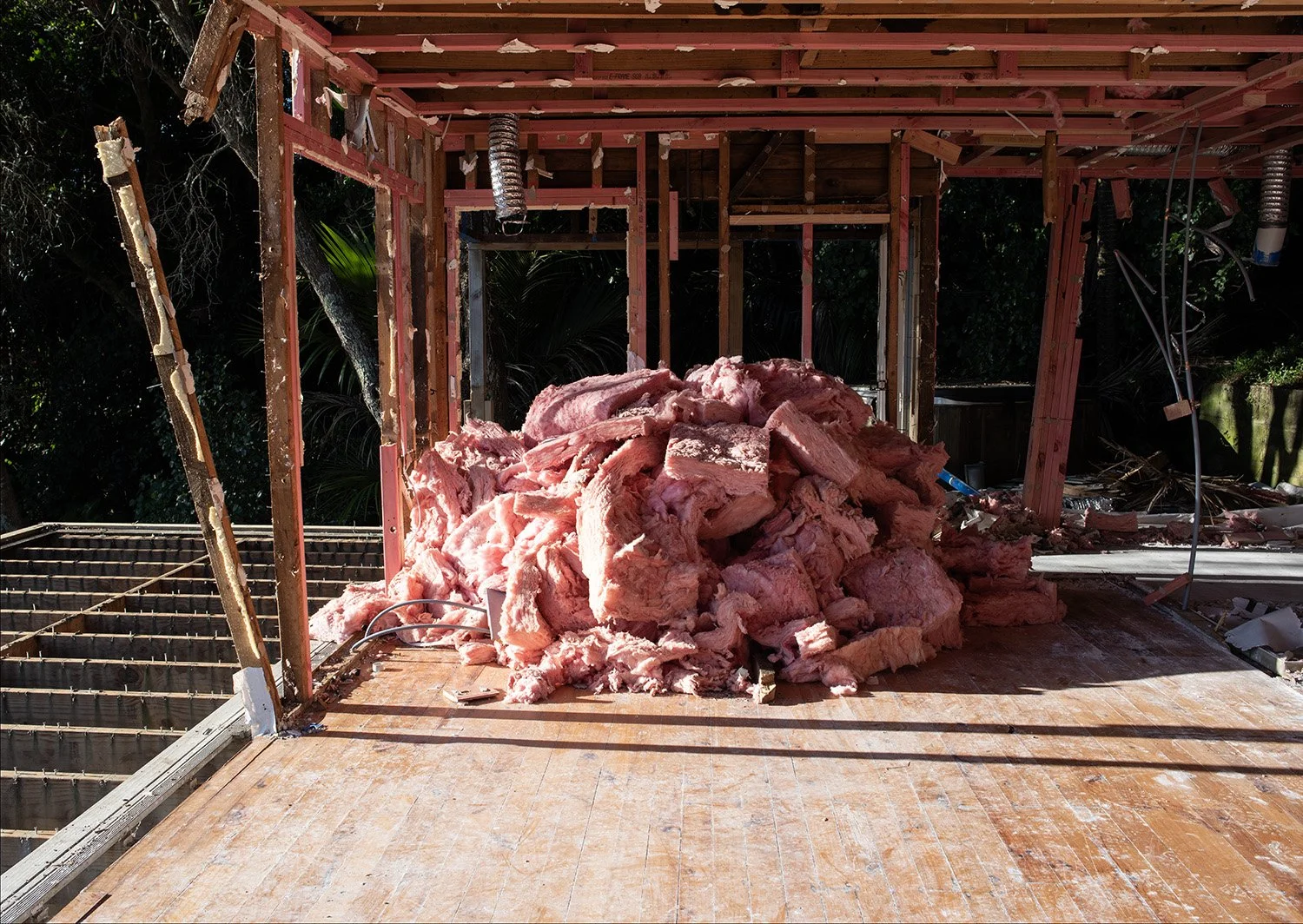
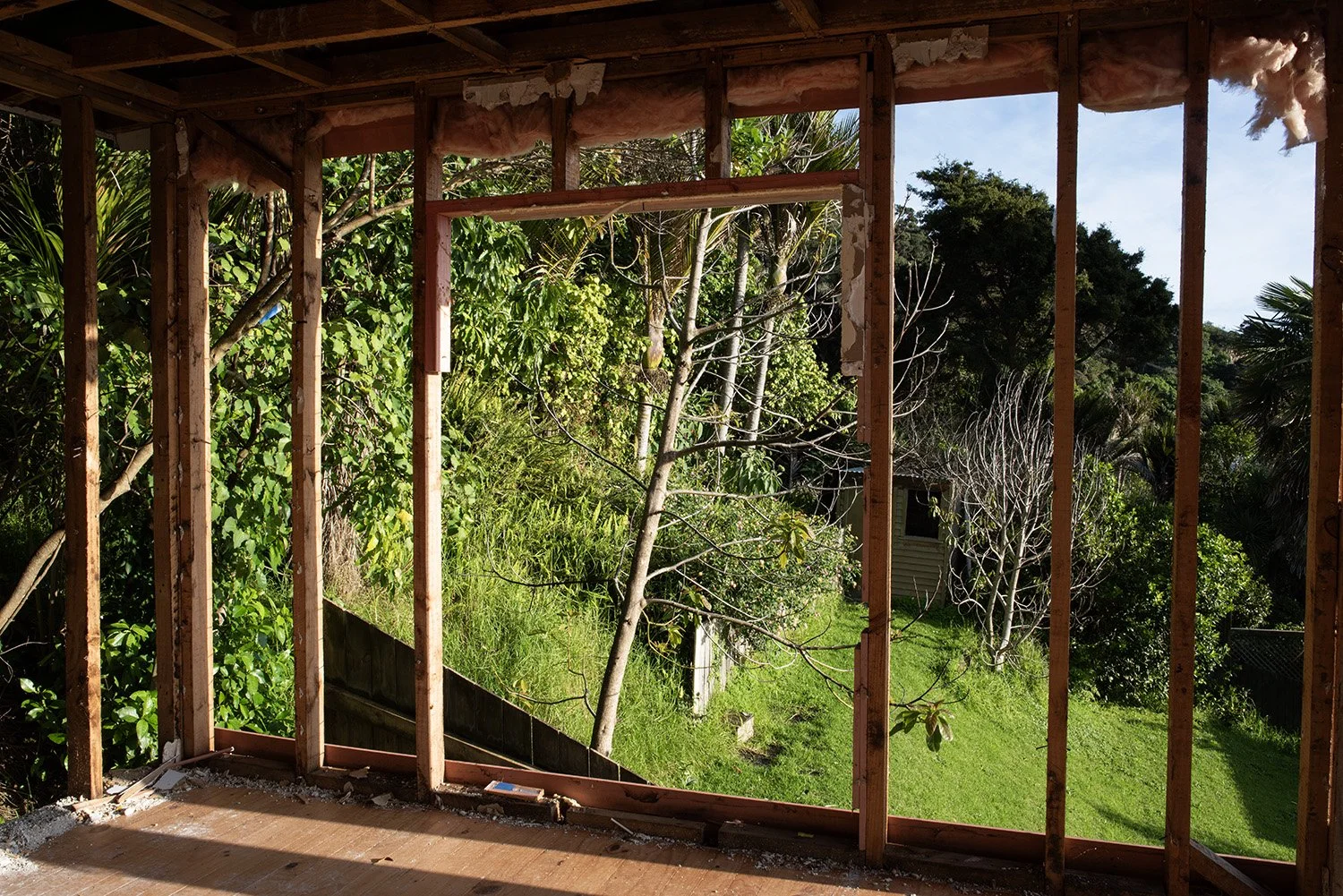
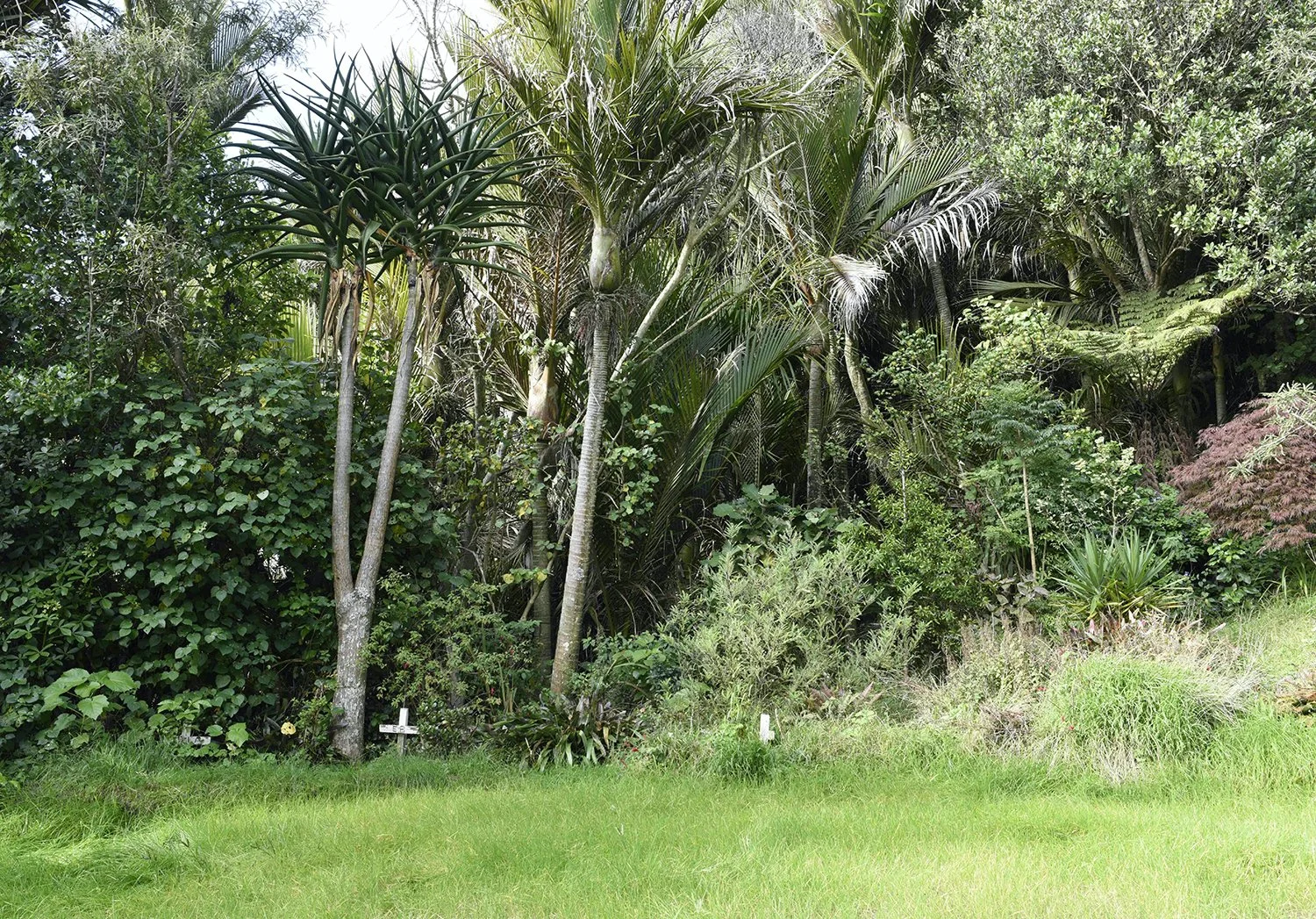
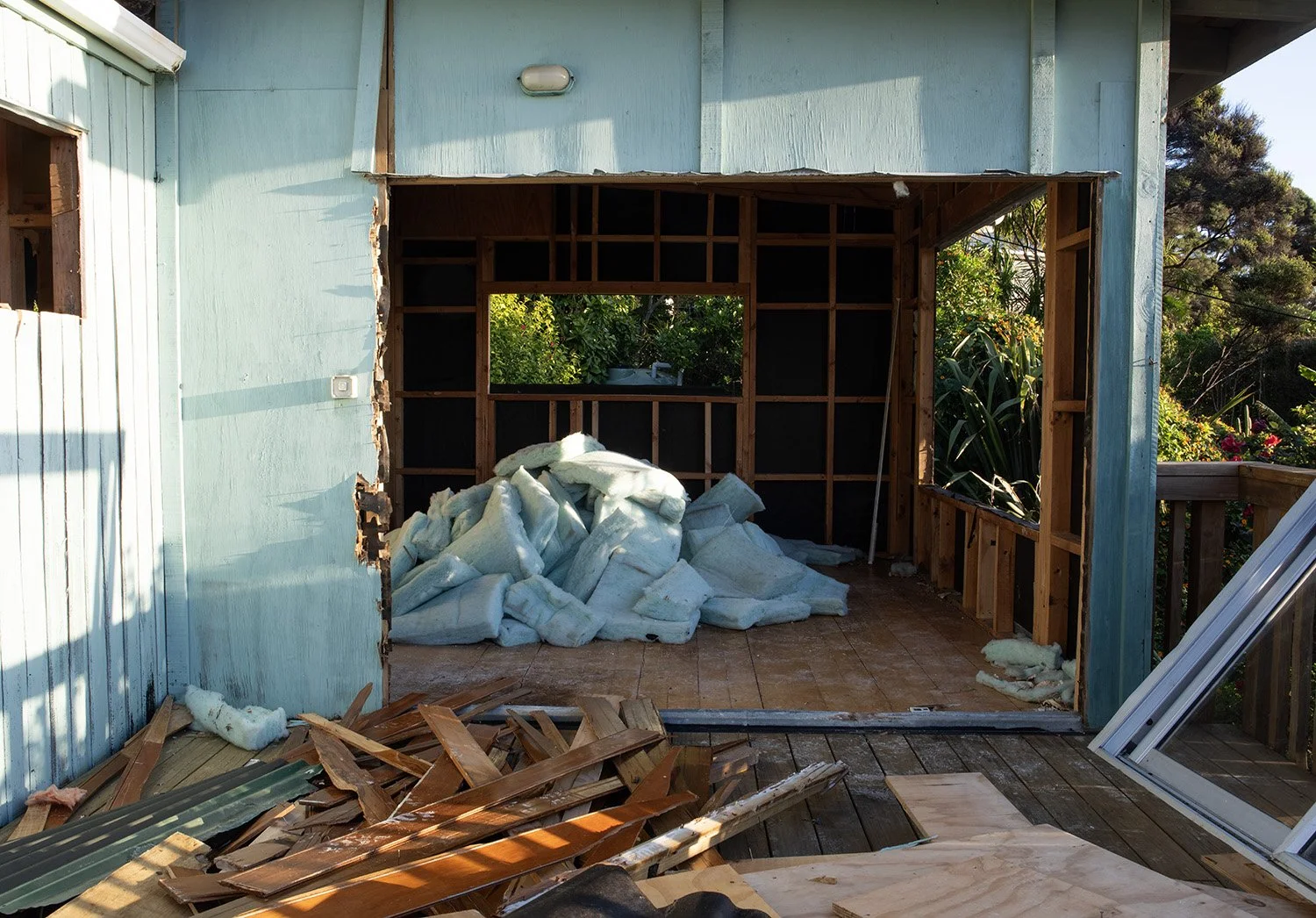
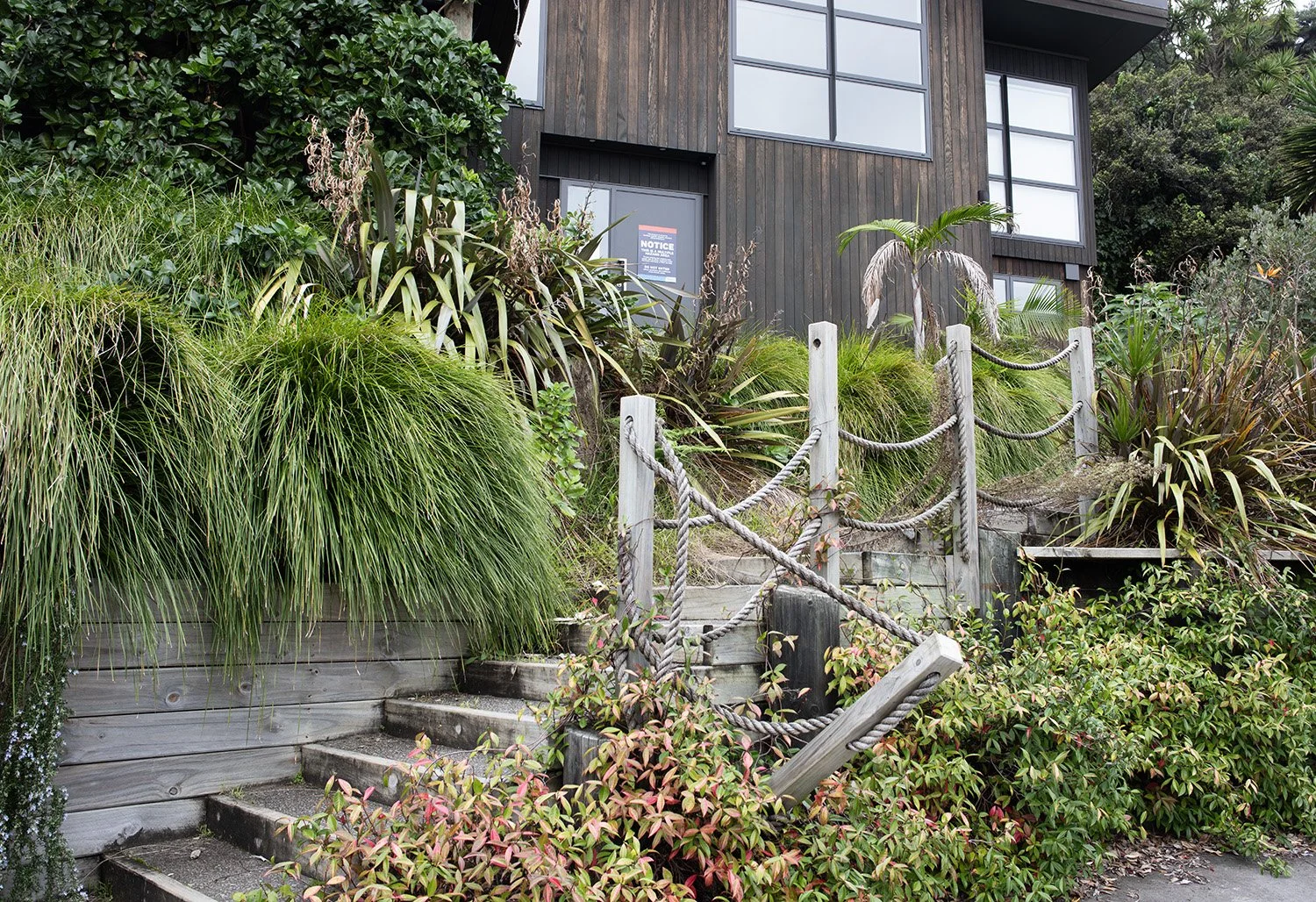
In March 2025, I began photographing some of the empty sections in Mūriwai where houses had been removed because they were designated as category three – unsafe to live in because of the risk of landslides during severe weather.
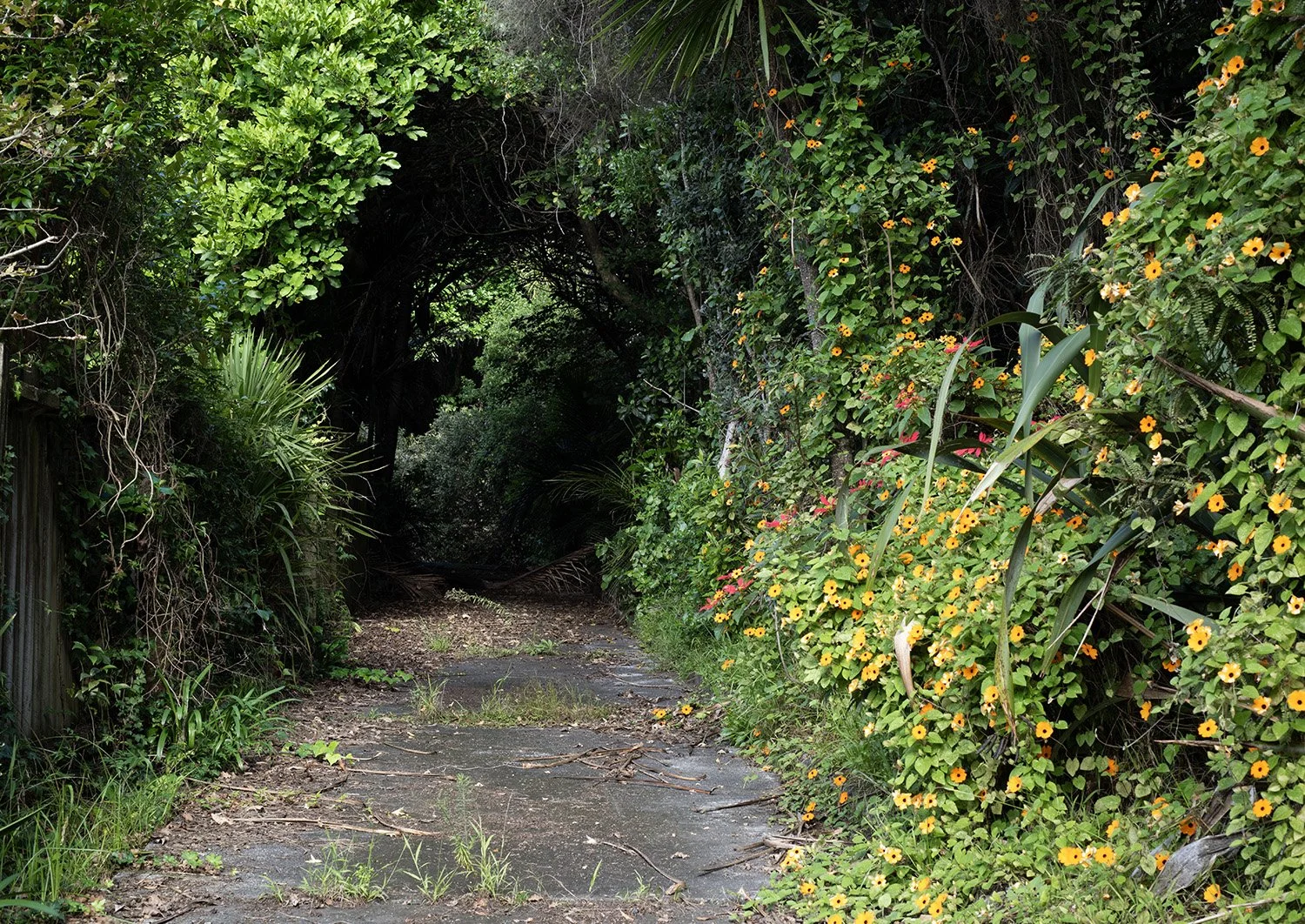
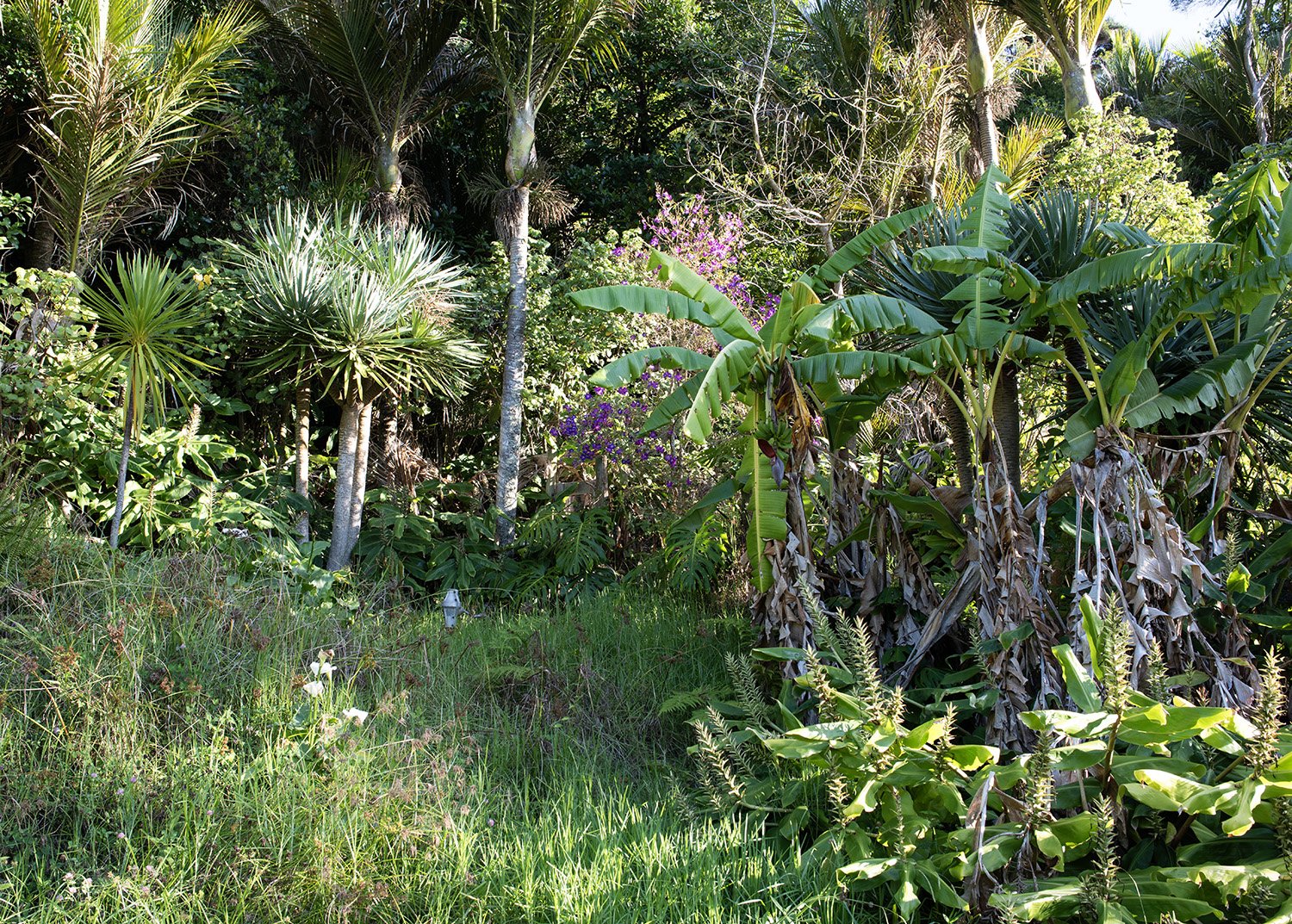
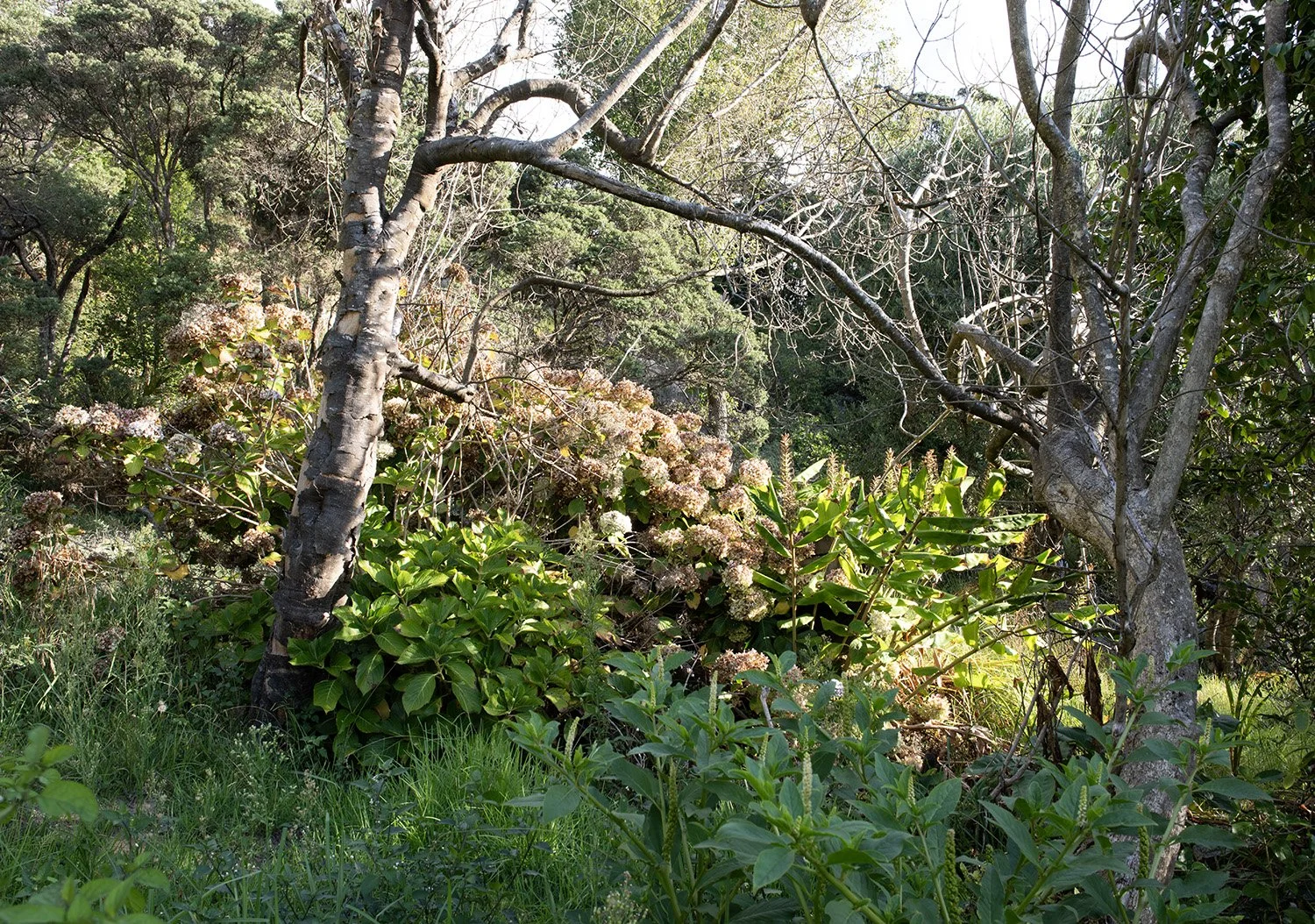
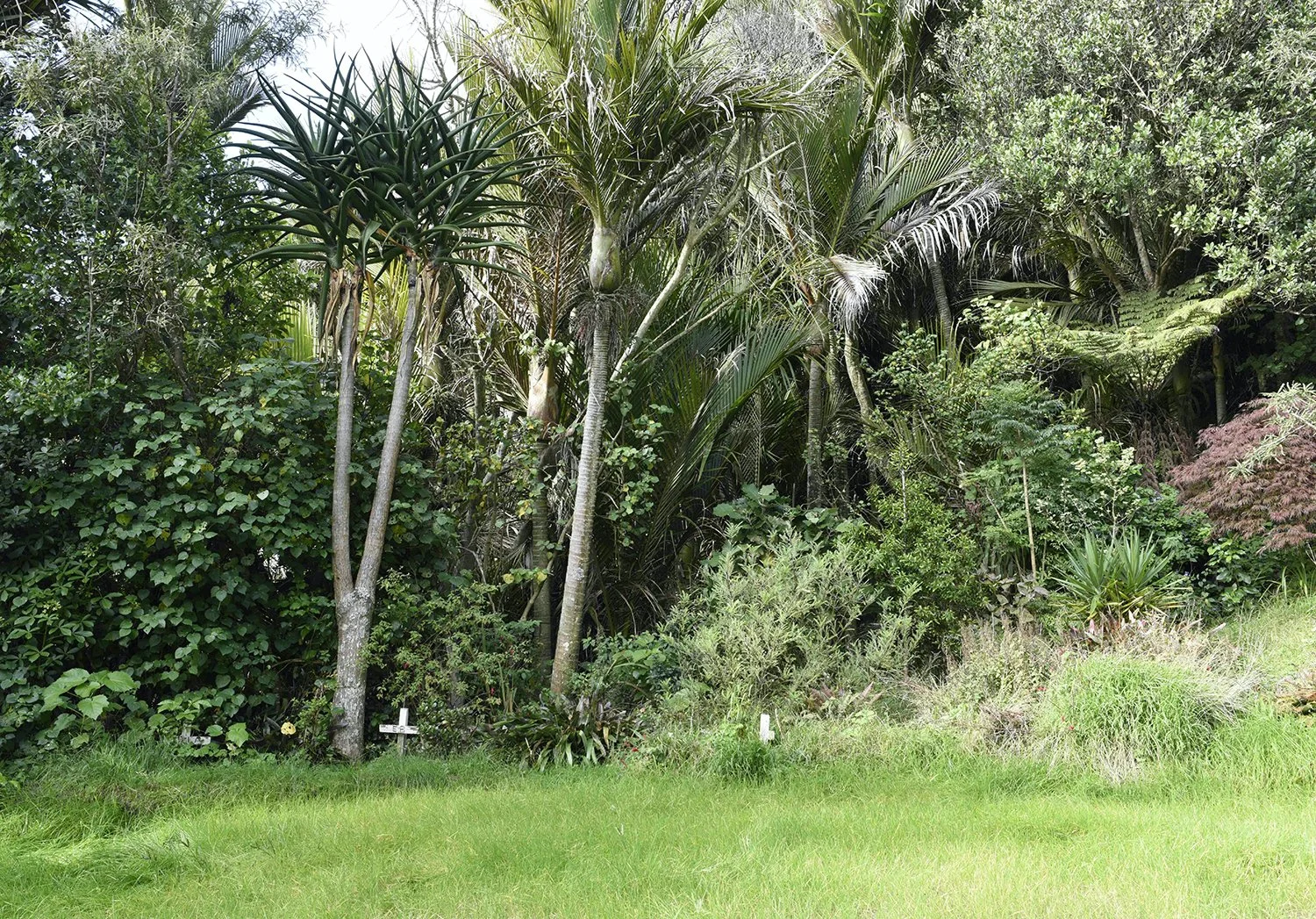
At first I planned to photograph the sites after the sixty-eight houses had been removed, but increasingly, I found myself drawn to documenting every stage of the process of transformation of the land – from residential sections to a state of semi-wildness as these sites began to merge with the native bush and other plants on the escarpment.
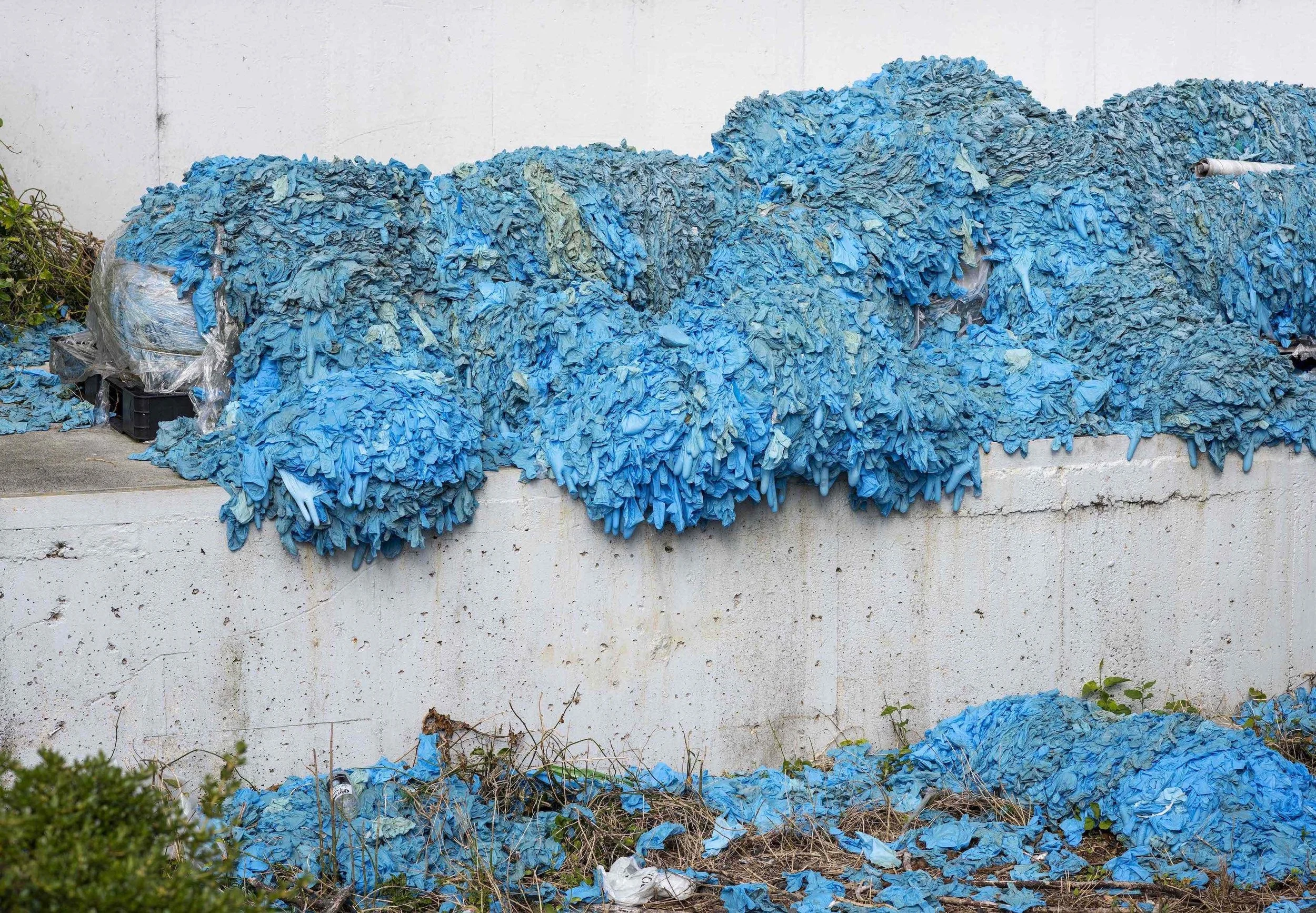
Many of the houses in these photographs were relatively undamaged during the storm and are shown in the process of being dismantled or prepared for removal and resiting. This has been a slow and painstaking process as some of the houses were on steep and unstable land, and all reusable building materials were carefully sorted for future use. Today, these sites are in limbo while their new owner, Auckland Council, decides how to manage them. Meanwhile, local residents have taken the recovery into their own hands by planting native species as a way to reintegrate the sections with the surrounding bush and stabilise the land.
While negotiating the long grass, fallen trees and lumpy ground on these sites, I was struck by the lingering presence of exotic garden plants on almost every section – banana palms, dragon trees, tibouchina, bamboo and clivia – all toughing it out amongst the invasive species that were quickly taking hold. I wondered if my photographs could speak of the presence of the former owners by registering small, remaining traces of domesticity, imagination and care – lush gardens suggestive of paradisial landscapes in distant places and warmer climates – while also reminding us of absence and loss – that something terrible has happened in this place.